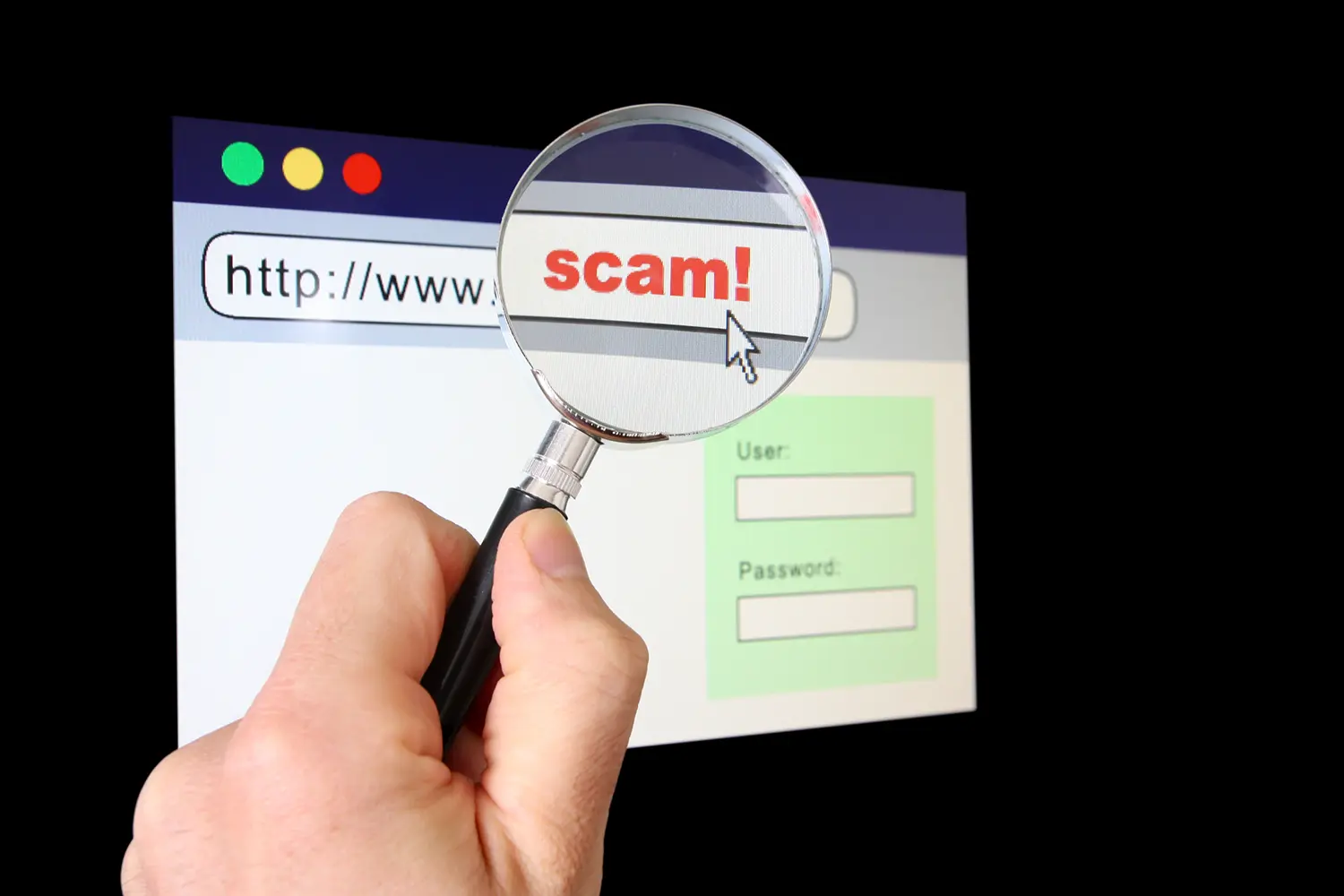
Scammers rely on curiosity, urgency, and desperation to succeed. A single click can cost more than money, it can cost your privacy, identity, and peace of mind. Before clicking any link, pause and ask yourself: Do I trust the source, and does this really make sense? Staying informed is your strongest defense.
In today’s digital world, links are everywhere, in WhatsApp messages, emails, social media DMs, ads, and even comments sections. With just one click, you can access information, entertainment, or opportunities. Unfortunately, that same click can also open the door to online scams, data theft, and financial loss.
Many people fall victim not because they are careless, but because scammers are becoming smarter, more convincing, and more creative. This article explores the common scams linked to clicking unknown links and how to protect yourself.
Why Unknown Links Are Dangerous
An unknown link is any link sent to you by:
A stranger
An unverified website
Someone promising quick money, rewards, or urgent action
A message that feels rushed, secretive, or too good to be true
These links often lead to fake websites designed to look legitimate. Once you interact with them, scammers can steal your information or money.
Common Scams Linked to Clicking Unknown Links
1. Fake Job and “Earn Money Online” Scams
These links promise easy income with little or no effort. You’re asked to register, pay a small “activation fee,” or invite others.
What really happens:
There is no real job. Once you pay or submit your details, the scammers disappear.
2. Phishing Scams
Phishing links imitate trusted platforms like banks, social media apps, or government websites.
What really happens:
When you enter your login details, scammers capture them and take over your account or access your money.
3. Malware and Spyware Attacks
Some links automatically install malicious software on your phone or laptop.
What really happens:
The malware can:
Track your keystrokes
Steal saved passwords
Access your photos, messages, and contacts
All without you realizing it.
4. Fake Giveaways and Rewards
Messages claiming you’ve won money, data, or a prize you never applied for.
What really happens:
You’re asked to “verify” by entering personal details or paying a small fee — which leads to identity theft or financial loss.
5. Investment and Crypto Scams
Links promising high returns with little risk, often using buzzwords like “guaranteed profit” or “limited slots.”
What really happens:
The money goes straight to scammers, with no investment behind it.
Warning Signs a Link Is a Scam
The message creates urgency (“Act now,” “Limited time”)
Promises easy money
Asks for personal or financial details
The website has no clear company information
Poor spelling, strange web addresses, or copied logos
You’re told to pay before you earn
How to Protect Yourself Online
✔ Never click links from unknown or unverified sources
✔ Don’t enter personal details on unfamiliar websites
✔ Check website URLs carefully
✔ Research before registering on any platform
✔ Use strong passwords and two-factor authentication
✔ Trust your instinct — if it feels off, it probably is
What to Do If You’ve Clicked a Suspicious Link
Close the page immediately
Do not submit any information
Change your passwords
Run a security scan on your device
Contact your bank if financial details were shared.



💬 Comments (0)
Join the conversation and share your thoughts